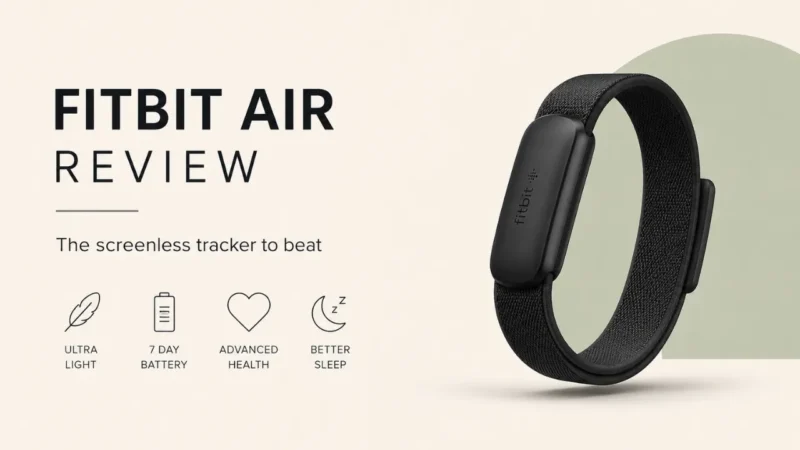
The new Fitbit Air is slowly making its way to the top of the fitness tracker list right now. But the surprising thing is that this device comes without a screen. Yes, the Fitbit Air is fully screenless, and still, there are many people who say that it’s better than some smartwatches. This tracker is built by Google for people who wish to have health tracking, but without too many notifications and distractions. In addition to this, the tracker is extremely light and comfortable, and will be easy to wear all day long.\
In this article, we will discuss how AI is also a major concern of the company in the new Fitbit Air with its health tracking capabilities. So far, it has a high chance of being a viable threat to Whoop and other higher-priced fitness bands.
Also read: WhatsApp beta for iOS 26.20.10.71: What’s New?
Fitbit Air Design and Comfort of Fit
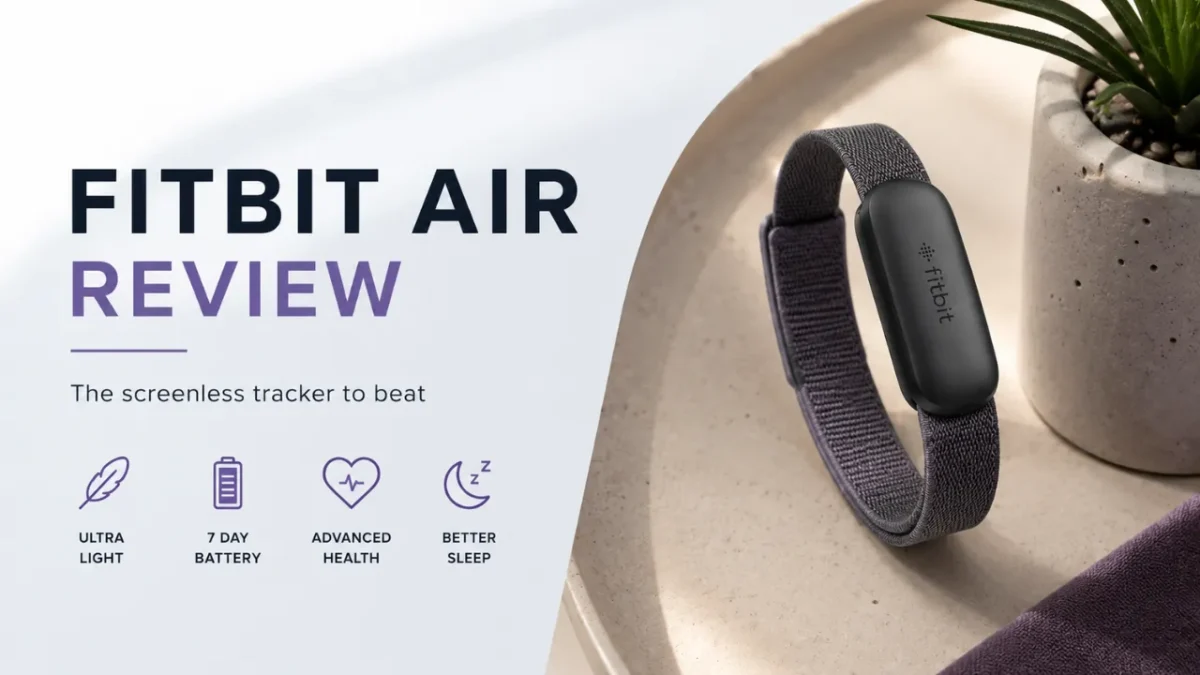
The most significant feature of the Fitbit Air is its simplicity and lightness. Unfortunately, there’s no screen on the tracker, so it’s more of a pretty wristband than a smartwatch. The tracker is extremely lightweight, making it one of the lightest wearable trackers available at this time. Some users even reported that they forgot they were wearing the Fitbit Air, as it is extremely comfortable during workouts and even while sleeping. In addition to this, Google has introduced various styles of bands, such as sports and high-quality bands. The tracker is also smaller than most of the older Fitbit units, making it a clean and minimal design. Those who are not fond of bulky smartwatches can definitely appreciate this type of design.
Fitbit Air’s Health Tracking Features
Although the Fitbit Air doesn’t support a screen, it does have a lot of advanced health features. The tracker keeps track of heart rate, sleep quality, blood oxygen, skin temperature, exercise, and activity. In addition to this, the tracker also features automatic workout detection, which means that the user doesn’t have to press the workout button each time. Google is also rolling out its AI-powered Health Coach feature to the Fitbit Air, offering personalized fitness recommendations and healing tips. The gadget is designed to provide health insights rather than notifications every few minutes. That’s one of the reasons it’s less stressful to wear the Fitbit Air than standard smartwatches and fitness trackers, many users say.
Battery Life And Charging Experience
Another advantage of the Fitbit Air is its battery backup. The tracker can be recharged once and used for up to seven days,s which can come very handy for those who don’t fancy charging their devices every day. This is in addition to that, there are also fast charging facilities available. A few minutes of charging can give the tracker a full day’s worth of battery life. The company is primarily focused on the simplicity and stress-free wearable experience for users. The Fitbit Air doesn’t have a display, ay so its battery life is also reduced to that of a traditional smartwatch. When checking battery status, however, some users might experience a bit of confusion as there is no display on the tracker.
Google Health App And AI Coach
The whole concept of Fitbit Air relies on the Google Health application. The tracker does not display any fitness and health metrics, so the user has to check all metrics via the mobile application. Google has updated the app with AI-powered Health Coach support and a redesigned user interface. This is where you’ll get workout tips, sleep recommendations, and even a recovery suggestion based on activity. In addition to this, the app can also set individual fitness goals based on the health information that it has gathered. This feature of smart AI assistance was a crowd-pleaser with some users, with others describing its AI suggestions as sometimes too numerous. Nevertheless, there are several people who believe that the Fitbit Air is different from earlier versions of the device due to its built-in AI system.
Also read: Best Android App to Customize Charging Animations and Battery Styles
Fitbit Air Price And Competition
Google has introduced the Fitbit Air at a price that’s more affordable than some of the top fitness trackers on the market today. One of the main reasons for the tracker’s popularity is its affordable pricing. While some of the advanced AI capabilities might need a subscription, the user can still access the Fitbit Air without paying for monthly charges, unlike some competitors. In addition to that, the tracker is capable of Android and iPhone connectivity, leading to its usefulness for a greater number of users. Several reviewers are claiming the Fitbit Air has the health tracking capabilities of a premium device for a far lesser price. This is making it a compelling choice for fitness enthusiasts.
Final Summary
The Fitbit Air is proving that a fitness tracker doesn’t have to have a display to be useful. Rather than going for the bells and whistles of the smartwatch, Google has prioritized comfort, lightweight design, battery life, and smart health tracking. In addition, the AI-driven Health Coach adds a time-saving and personalized touch to the experience. While the tracker isn’t necessarily ideal for anyone seeking notifications and display controls on their wrist, the Fitbit Air is definitely a pretty impressive fitness tracker for those who want to avoid any distractions at all. For now, this is one of the most interesting wearable launches and could appeal to a lot of people who prefer and wish to have a smart and easy fitness partner.
Also read: Best Android Charging Animation App With 3D Effects and Live Battery Wallpapers