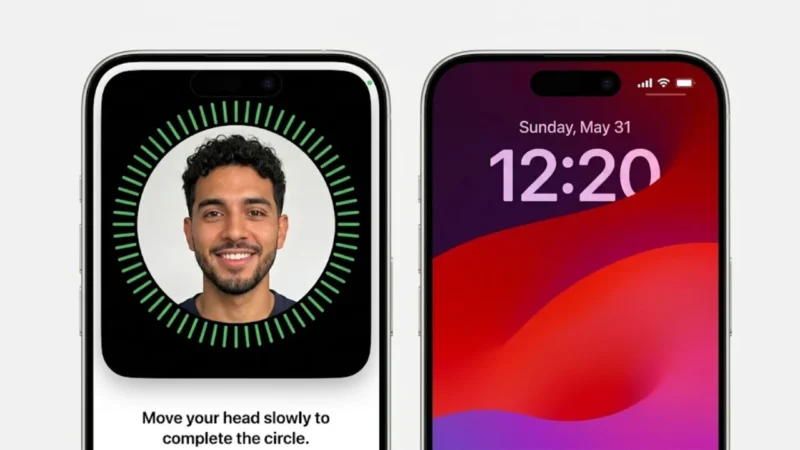
Apple is reportedly working on a new anti-theft feature for iPhones that could automatically lock the device when it detects a possible theft attempt. The upcoming functionality is said to be similar to Google’s Theft Detection Lock feature on Android, which uses artificial intelligence and device sensors to identify suspicious movements associated with phone snatching.
If introduced, the feature could add another layer of protection for iPhone users by preventing thieves from immediately accessing personal information after stealing a device.
Also read: WhatsApp beta for Android 2.26.21.7: What’s New?
Apple Could Enhance iPhone Security Against Theft
According to recent reports, Apple is developing a security system capable of recognizing when an iPhone has been forcibly taken from its owner. Once suspicious activity is detected, the device could automatically lock itself, making it more difficult for unauthorized users to access sensitive data.
The feature has not been officially announced by Apple, and there is currently no information regarding its release timeline. However, the reported development suggests that the company is exploring new ways to strengthen iPhone security and protect user privacy.
How the Theft Detection Feature Could Work
The reported functionality may rely on multiple hardware and software signals to determine whether a theft attempt has occurred.
One of the key components is expected to be the iPhone’s built-in accelerometer, which can measure sudden movements and changes in motion. By analyzing these movements alongside other device data, the system could identify patterns commonly associated with snatch-and-run thefts.
For example, if an iPhone suddenly accelerates away from its owner in an unusual manner, the system may interpret the activity as a potential theft and automatically lock the device.
Apple is reportedly exploring the use of multiple verification signals rather than relying on a single sensor to reduce false detections.
Similar Feature Already Exists on Android
Google introduced Theft Detection Lock on Android devices as part of its broader device security improvements. The Android feature uses on-device artificial intelligence to recognize suspicious movement patterns that often occur during theft attempts.
When unusual activity is detected, the smartphone automatically locks itself, helping prevent thieves from accessing apps, photos, messages, banking information, and other personal data.
Apple’s reported solution appears to follow a similar concept while potentially integrating deeper into the iPhone’s hardware and software ecosystem.
Why Anti-Theft Features Are Becoming More Important
Modern smartphones contain a significant amount of personal and financial information, including:
- Banking applications
- Payment services
- Private photos and videos
- Email accounts
- Social media profiles
- Authentication codes
Even a few minutes of access can allow criminals to make unauthorized changes or steal sensitive information. Automated theft detection systems aim to reduce this risk by locking devices immediately when suspicious activity occurs.
Additional Protection for Lost or Stolen iPhones
Apple already offers several security features for stolen devices, including:
- Find My iPhone
- Activation Lock
- Stolen Device Protection
- Face ID authentication
- Remote device tracking
The reported Theft Detection Lock could serve as an additional security layer that reacts before a thief has a chance to disable protections or access critical information.
Potential Challenges
While the idea sounds promising, Apple will need to ensure that the feature can accurately distinguish between theft attempts and normal daily activities.
Activities such as:
- Running with a phone
- Cycling
- Exercising
- Accidentally dropping the device
could potentially trigger false alerts if the detection system is not carefully optimized.
Using multiple signals and advanced machine learning models may help Apple improve accuracy and reduce unnecessary device locks.
Final Thoughts
Apple’s reported Theft Detection Lock feature could become one of the most useful security additions to the iPhone in recent years. By automatically locking the device when suspicious movement patterns are detected, the feature could help protect personal information and reduce the risk of unauthorized access after theft.
Although Apple has not officially confirmed the feature or announced a launch date, its development highlights the growing importance of smartphone security in an era where devices store increasingly sensitive information. If the feature arrives in a future iOS update, it could provide iPhone users with an extra layer of protection against theft and fraud.
Apple May Bring AI-Powered Theft Detection Lock to iPhone, Similar to Android Security Feature
Apple is reportedly working on a new anti-theft feature for iPhones that could automatically lock the device when it detects a possible theft attempt. The upcoming functionality is said to be similar to Google’s Theft Detection Lock feature on Android, which uses artificial intelligence and device sensors to identify suspicious movements associated with phone snatching.
If introduced, the feature could add another layer of protection for iPhone users by preventing thieves from immediately accessing personal information after stealing a device.
Apple Could Enhance iPhone Security Against Theft
According to recent reports, Apple is developing a security system capable of recognizing when an iPhone has been forcibly taken from its owner. Once suspicious activity is detected, the device could automatically lock itself, making it more difficult for unauthorized users to access sensitive data.
The feature has not been officially announced by Apple, and there is currently no information regarding its release timeline. However, the reported development suggests that the company is exploring new ways to strengthen iPhone security and protect user privacy.
How the Theft Detection Feature Could Work
The reported functionality may rely on multiple hardware and software signals to determine whether a theft attempt has occurred.
One of the key components is expected to be the iPhone’s built-in accelerometer, which can measure sudden movements and changes in motion. By analyzing these movements alongside other device data, the system could identify patterns commonly associated with snatch-and-run thefts.
For example, if an iPhone suddenly accelerates away from its owner in an unusual manner, the system may interpret the activity as a potential theft and automatically lock the device.
Apple is reportedly exploring the use of multiple verification signals rather than relying on a single sensor to reduce false detections.
Similar Feature Already Exists on Android
Google introduced Theft Detection Lock on Android devices as part of its broader device security improvements. The Android feature uses on-device artificial intelligence to recognize suspicious movement patterns that often occur during theft attempts.
When unusual activity is detected, the smartphone automatically locks itself, helping prevent thieves from accessing apps, photos, messages, banking information, and other personal data.
Apple’s reported solution appears to follow a similar concept while potentially integrating deeper into the iPhone’s hardware and software ecosystem.
Why Anti-Theft Features Are Becoming More Important
Modern smartphones contain a significant amount of personal and financial information, including:
- Banking applications
- Payment services
- Private photos and videos
- Email accounts
- Social media profiles
- Authentication codes
Even a few minutes of access can allow criminals to make unauthorized changes or steal sensitive information. Automated theft detection systems aim to reduce this risk by locking devices immediately when suspicious activity occurs.
Additional Protection for Lost or Stolen iPhones
Apple already offers several security features for stolen devices, including:
- Find My iPhone
- Activation Lock
- Stolen Device Protection
- Face ID authentication
- Remote device tracking
The reported Theft Detection Lock could serve as an additional security layer that reacts before a thief has a chance to disable protections or access critical information.
Potential Challenges
While the idea sounds promising, Apple will need to ensure that the feature can accurately distinguish between theft attempts and normal daily activities.
Activities such as:
- Running with a phone
- Cycling
- Exercising
- Accidentally dropping the device
could potentially trigger false alerts if the detection system is not carefully optimized.
Using multiple signals and advanced machine learning models may help Apple improve accuracy and reduce unnecessary device locks.
Also read: Apple May Bring AI Agents to the App Store as Siri Strategy Faces Developer Resistance
Final Thoughts
Apple’s reported Theft Detection Lock feature could become one of the most useful security additions to the iPhone in recent years. By automatically locking the device when suspicious movement patterns are detected, the feature could help protect personal information and reduce the risk of unauthorized access after theft.
Although Apple has not officially confirmed the feature or announced a launch date, its development highlights the growing importance of smartphone security in an era where devices store increasingly sensitive information. If the feature arrives in a future iOS update, it could provide iPhone users with an extra layer of protection against theft and fraud.