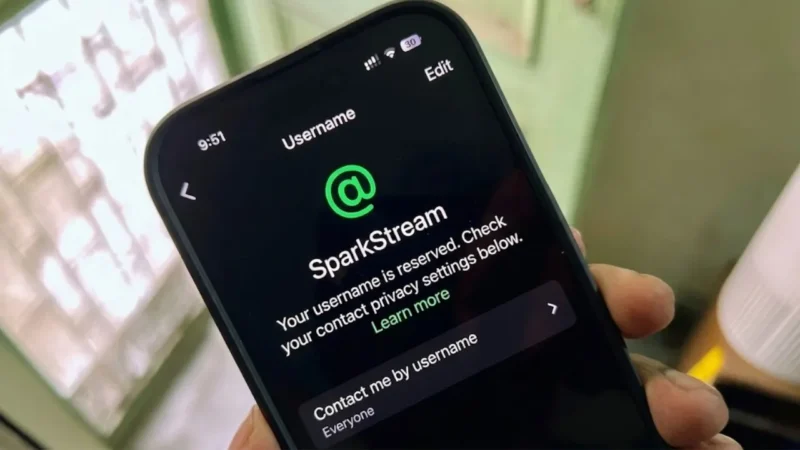
WhatsApp is preparing to introduce one of its biggest privacy-focused updates in years—a feature that allows users to connect using unique usernames instead of sharing their phone numbers. While the change is designed to improve privacy, it has also triggered concerns among Indian regulators over the potential misuse of anonymous identities for online fraud and impersonation.
As India remains WhatsApp’s largest market, the outcome of the ongoing discussions between the company and the government could influence not only the rollout of usernames in the country but also how future privacy features are regulated.
Also read: Apple Smart Glasses Reportedly Delayed, Now Expected to Launch by the End of 2027
WhatsApp’s Username Feature Explained
Since its launch, WhatsApp has relied on phone numbers as the primary identity for every account. Anyone who wanted to contact you needed your mobile number.
The upcoming usernames feature changes that approach.
Instead of sharing a phone number, users will be able to create a unique username and share it with others when starting a conversation. Phone numbers will still be required to create and maintain a WhatsApp account, but they won’t necessarily need to be shared with new contacts.
Unlike social media platforms, WhatsApp says usernames are designed primarily for privacy—not for building public profiles.
Why the Indian Government Wants WhatsApp to Pause the Rollout
India’s Ministry of Electronics and Information Technology (MeitY) has reportedly asked WhatsApp to temporarily pause the rollout until further consultations are completed.
According to the government’s concerns, usernames could create new opportunities for cybercriminals by making it easier to impersonate:
- Government departments
- Banks and financial institutions
- Public officials
- Businesses
- Well-known personalities
Officials are particularly worried that scammers may use convincing usernames to contact victims while hiding their actual phone numbers.
The government has also requested an explanation from WhatsApp regarding how it plans to address these concerns.
The Growing Problem of Online Fraud
India has witnessed a sharp increase in cybercrime over the past few years.
Common scams include:
- Phishing attacks
- Fake customer support scams
- Banking fraud
- Digital arrest scams
- Identity impersonation
Many of these scams rely on convincing victims that the attacker represents a trusted organisation.
Authorities believe that usernames could make impersonation attempts even more convincing if proper safeguards are not in place.
WhatsApp Says Privacy Remains the Goal
WhatsApp argues that usernames are intended to improve user privacy rather than reduce accountability.
According to the company, several safeguards have already been built into the system.
These include:
- Usernames will not be publicly searchable.
- There will be no public username directory.
- People must know your exact username before they can contact you.
- Usernames can be changed or disabled later.
- An optional Username Key can add another verification layer before first-time conversations begin.
The company says these measures are designed to balance privacy with user safety.
Additional Safety Measures
WhatsApp also says it plans to reduce misuse through multiple security systems.
Some of the reported protections include:
- Reserving usernames for verified public figures and government organisations.
- Blocking repeated attempts to guess usernames.
- Limiting how many new users an account can contact.
- Detecting suspicious behaviour through automated systems.
- Showing context when someone receives a first message, such as:
- Whether the sender is a new account
- Whether they share mutual groups
- Whether they are already in contacts
- Whether they are contacting from another country
These features aim to help users make informed decisions before replying.
Privacy vs Security: The Real Debate
The discussion surrounding WhatsApp usernames highlights an important challenge faced by modern messaging platforms.
On one side, privacy advocates argue that users should not have to reveal their phone numbers to everyone they interact with online.
This could especially benefit:
- Women joining community groups
- Students
- Professionals
- Marketplace buyers and sellers
- Community organisers
- Users concerned about spam or harassment
On the other hand, security experts believe reducing visible identity information could make impersonation scams more difficult to detect.
Finding the right balance between privacy and security remains the biggest challenge.
Expert Opinions Differ
Cybersecurity specialists acknowledge that both sides have valid arguments.
Supporters of the government’s concerns believe phone numbers provide an important layer of traceability because they are linked to SIM registration and telecom records.
Meanwhile, digital privacy experts argue that exposing phone numbers creates its own risks, including:
- Spam
- Harassment
- Phone number scraping
- Unwanted contact
- Social engineering attacks
Many experts suggest the final success of the username feature will depend on how effectively WhatsApp’s security measures perform once the feature becomes widely available.
What Could Happen Next?
WhatsApp has clarified that usernames are not yet available to everyone and will be introduced gradually over time.
Since India has one of the world’s largest WhatsApp user bases, regulatory discussions are expected to play an important role before the feature becomes widely available.
The consultations may also influence how future privacy-focused features are evaluated by regulators.
Potential Benefits of WhatsApp Usernames
| Benefit | Why It Matters |
|---|---|
| Better privacy | Users can connect without immediately sharing phone numbers. |
| Reduced phone number exposure | Helps lower risks of spam and unwanted contact. |
| Optional identity sharing | Users choose when to reveal personal information. |
| More control | Usernames can be updated or removed later. |
| Useful for communities | Makes joining groups more privacy-friendly. |
Possible Concerns
| Concern | Explanation |
|---|---|
| Identity impersonation | Fraudsters may attempt to mimic trusted organisations. |
| Online scams | Fake usernames could be used in phishing attempts. |
| Law enforcement challenges | Hidden phone numbers may complicate some investigations. |
| User confusion | Similar-looking usernames could mislead users. |
Also read: Vi Partners With Spotify to Offer Free Premium Subscription to Postpaid Users
Final Thoughts
WhatsApp’s upcoming username feature represents a significant shift in how people may connect on the platform. By allowing conversations without immediately sharing phone numbers, the feature has the potential to improve user privacy for millions of people.
At the same time, India’s concerns highlight the importance of preventing impersonation and online fraud as digital communication evolves.
Whether the feature succeeds will largely depend on how effectively WhatsApp’s privacy protections and anti-abuse systems perform in real-world use. As discussions continue, the outcome could shape not only the rollout of usernames in India but also the future direction of privacy features across messaging platforms.