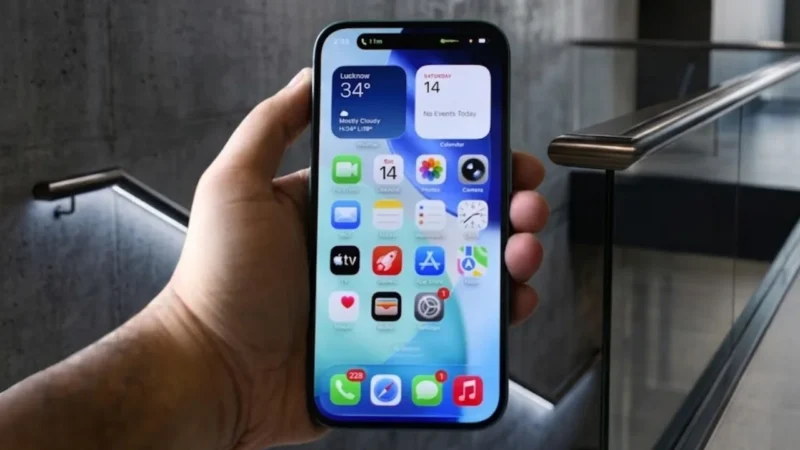
Apple is reportedly preparing major AI-related changes for iOS and the App Store ahead of WWDC 2026. The company is said to be working on deeper Siri integration through a new system called App Intents, while also exploring AI agents capable of creating and running app-like experiences dynamically.
But behind the scenes, Apple appears to be facing growing hesitation from developers and new concerns around control, security, and monetization.
Also read: Spotify Adopts Apple’s HLS Video Technology to Expand Podcast Distribution
Apple Wants Siri to Work Across Apps
According to reports, Apple is encouraging developers to integrate their apps with the next-generation version of Siri expected in iOS 27.
The system reportedly relies on a framework called App Intents, which allows Siri to:
- Perform actions inside apps
- Complete tasks without manually opening apps
- Interact more deeply with third-party services
In theory, this could make Siri significantly more useful.
Developers Are Worried About Future Fees
Despite the technical advantages, some developers reportedly remain cautious.
The concern is not about complexity—it’s about business control.
Reports suggest Apple has told developers:
- No commission fees initially
- But future fees are not ruled out
That uncertainty is making companies hesitant to fully integrate Siri into their platforms.
Why This Creates a Bigger Problem
If Siri becomes the main interface between users and apps, Apple could gain more control over:
- Customer interactions
- Transactions
- Discovery and engagement
For developers, that potentially creates another dependency on Apple’s ecosystem.
This is especially sensitive for large companies already dealing with App Store commission policies.
Apple Also Exploring AI Agents in the App Store
Separately, reports claim Apple is investigating ways to support AI agents within the App Store ecosystem.
These agents could potentially:
- Create mini-app experiences dynamically
- Perform tasks autonomously
- Generate functionality on demand
That sounds powerful—but it creates major moderation and security challenges.
The Security Risk Around AI Agents
Apple’s App Store has always relied on strict approval and control systems.
AI agents complicate that model because:
- Agents may generate behaviors dynamically
- Apple cannot fully pre-review every possible action
- Unexpected behavior could bypass traditional safeguards
One cited example involved an AI agent system reportedly deleting user emails unexpectedly.
That highlights the core issue:
AI agents can become unpredictable.
Apple Is Trying to Balance AI and Control
Reports suggest Apple engineers are developing systems to:
- Restrict unsafe AI agent behavior
- Maintain privacy protections
- Keep AI actions within platform rules
But balancing:
- openness
- automation
- security
- monetization
is becoming increasingly difficult.
WWDC 2026 Could Be a Major Turning Point
Apple is expected to address many of these AI plans during WWDC 2026.
Possible announcements may include:
- Enhanced Siri capabilities
- Expanded App Intents support
- AI agent integration frameworks
- New developer tools
However, the company may still be figuring out key business and safety details internally.
Apple’s Bigger AI Challenge
Let’s be direct:
Apple is under pressure in AI right now.
Competitors are moving faster in:
- AI assistants
- Agent-based systems
- Generative AI ecosystems
Apple still has strong hardware and ecosystem control, but its AI strategy feels more cautious and fragmented compared to rivals.
Also read: OpenAI Launches ChatGPT Finance Tools With Bank Account Integration
Final Thoughts
Apple’s reported AI plans show the company trying to modernize Siri and prepare for a future built around AI agents. Deep app integration and dynamic AI workflows could make iPhones much smarter and more automated.
But here’s the reality:
Apple’s biggest strength—tight ecosystem control—could also become its biggest obstacle in the AI era. AI agents are difficult to control fully, and developers are unlikely to embrace deeper integration if business rules remain unclear.
WWDC 2026 may reveal Apple’s vision, but execution will matter far more than announcements.