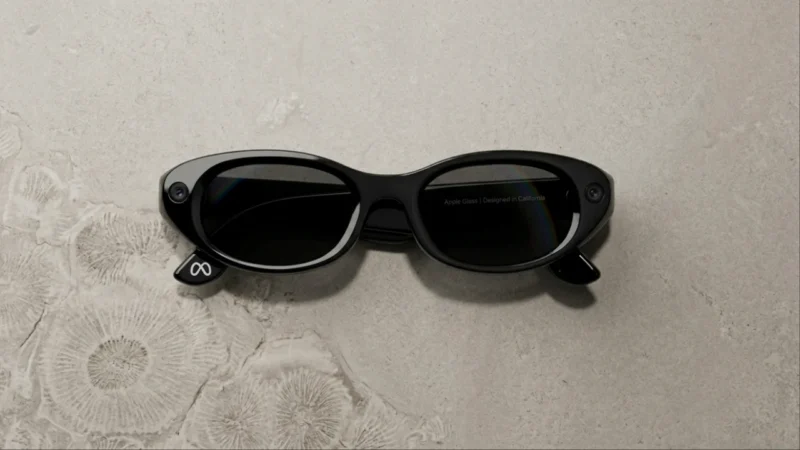
Apple’s long-rumored smart glasses may take longer to arrive than previously expected. According to a new report, the company is now targeting a launch by the end of 2027, potentially delaying its entry into one of the fastest-growing segments of consumer technology.
The upcoming wearable is expected to compete directly with Meta’s expanding lineup of AI-powered smart glasses, which have gained significant traction in recent years through partnerships with major eyewear brands such as Ray-Ban and Oakley.
Also read: Smart Glasses Are Getting Smarter — But Can You Spot the Hidden Camera?
Apple’s Smart Glasses Launch Timeline Shifts
According to Bloomberg’s Mark Gurman, Apple is preparing to enter the smart glasses market by late 2027. The updated timeline differs from earlier reports that suggested Apple could unveil the device much sooner, with shipments beginning in early 2027.
While Apple has not officially confirmed the existence of the product, reports surrounding the company’s smart glasses project have surfaced repeatedly over the past few years. The wearable is widely expected to become part of Apple’s broader strategy to expand beyond smartphones, smartwatches, and mixed-reality devices.
The reported delay could give competitors additional time to strengthen their positions in the growing smart glasses market.
Meta Continues to Build Its Lead
Meta currently remains one of the most active companies in the smart glasses space. The company recently introduced its latest AI-powered smart glasses, featuring the Muse Spark AI model, hands-free assistance, live translation capabilities, and an integrated 12-megapixel camera.
By partnering with eyewear giant EssilorLuxottica, Meta has successfully combined technology with recognizable fashion brands such as Ray-Ban, Oakley, and Prada. This strategy has helped smart glasses appeal to mainstream consumers who may not typically purchase wearable technology.
A delayed Apple launch could allow Meta to further expand its user base and establish stronger market dominance before new competition arrives.
Apple’s Biggest Advantage Could Be the iPhone
Despite entering the market later, Apple may have a significant advantage that few competitors can match: deep integration with the iPhone ecosystem.
Millions of users already rely on Apple products such as iPhones, Apple Watches, AirPods, and Macs. Industry analysts believe Apple’s smart glasses could work seamlessly with these devices, creating a highly connected experience that may appeal to existing Apple customers.
This ecosystem advantage has historically played a major role in Apple’s success across multiple product categories.
Competition Between Apple and Meta Is Heating Up
The rivalry between Apple and Meta has intensified in recent years, particularly in emerging technologies such as artificial intelligence, mixed reality, and wearable devices.
Reports suggest Apple has already limited certain interoperability features between iOS devices and Meta’s smart glasses. If Apple launches its own competing product, tighter integration with iPhones could become an important selling point that differentiates its glasses from rival offerings.
At the same time, Meta continues expanding its portfolio with new hardware designs and more affordable products aimed at attracting a broader audience.
Pricing Could Be a Major Difference
One area where Apple may struggle to compete directly with Meta is pricing.
Meta’s latest smart glasses start at approximately $299, making them relatively accessible compared to many premium consumer electronics products. Apple’s wearable devices, however, have traditionally been positioned at the higher end of the market.
Industry observers believe Apple’s smart glasses could carry a significantly higher price tag, especially if they include advanced hardware, premium materials, and deeper integration with Apple’s ecosystem.
What Features Could Apple’s Smart Glasses Offer?
While Apple has not officially revealed specifications, previous reports and patent filings suggest the smart glasses could include:
- AI-powered voice assistance
- Real-time notifications
- Seamless iPhone integration
- Navigation support
- Health and fitness tracking features
- Camera and multimedia capabilities
- Augmented reality experiences
The final feature set remains unknown, but Apple is expected to focus heavily on user experience, privacy, and ecosystem integration.
Also read: Meta Unveils New AI-Powered Smart Glasses With Muse Spark AI, 12MP Camera and Live Translation
Final Thoughts
Apple’s reported decision to delay its smart glasses until late 2027 may give Meta additional time to strengthen its position in the wearable technology market. However, Apple’s strong ecosystem, loyal customer base, and reputation for polished hardware could still make its first smart glasses one of the most anticipated tech products in years.
As competition between Apple and Meta continues to intensify, the smart glasses market is shaping up to become one of the next major battlegrounds in consumer technology.