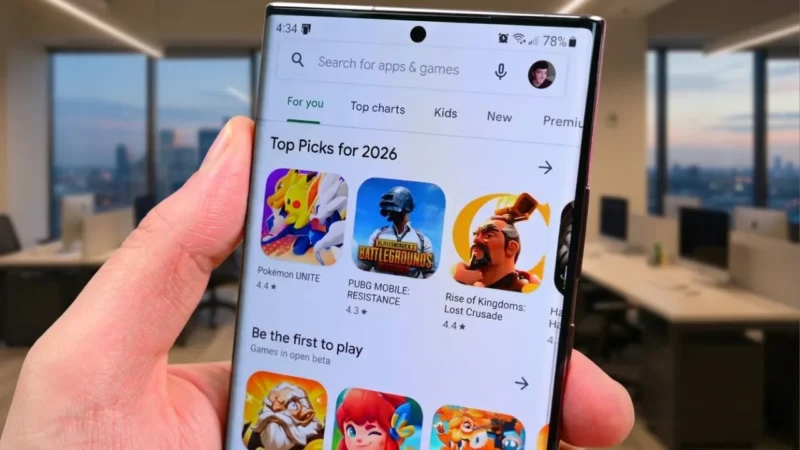
Google has announced a significant change to how Android apps can be distributed in the United States. Starting July 22, eligible third-party Android app stores will be able to access the Google Play app catalog through a newly introduced Play Catalog Access Program.
The initiative is designed to allow alternative Android app marketplaces to display apps available on Google Play while keeping downloads and installations securely managed through the Play Store itself. The move comes as part of Google’s ongoing efforts to reshape Android app distribution following legal challenges in the US.
Also read: Meta Removes Muse AI Image Feature After Privacy Backlash From Instagram Users
What Is the Play Catalog Access Program?
The Play Catalog Access Program is a new initiative that gives approved third-party Android app stores access to Google’s Play Store catalog. This means users browsing supported marketplaces will be able to discover apps listed on Google Play without needing to search the Play Store directly.
However, there’s an important distinction: while third-party stores can display these apps, the actual download and installation process will still be handled through Google Play. This ensures users continue receiving Google’s built-in security protections, updates, and app verification during installation.
Who Can Join the Program?
Google has limited the program to eligible US-based Android app stores.
To qualify, app marketplace operators must meet several requirements, including:
- Be registered as an organization in the United States.
- Operate a legitimate third-party Android app store.
- Have the legal rights required to distribute applications.
- Comply with Google’s privacy, security, and intellectual property policies.
- Provide customer support for users.
- Offer installation and update controls.
- Regularly refresh Play Store catalog information.
Google says these requirements are intended to maintain a safe and reliable experience for Android users.
How the Program Works
Once approved, participating app stores can list applications from the Google Play catalog inside their own marketplace.
When a user chooses to install an app:
- The installation is redirected to Google Play.
- The app downloads through the Play Store.
- Users receive the same security protections available through normal Play Store installations.
- Existing Google Play service fees continue to apply.
This approach allows Google to expand app discovery while keeping its existing app installation infrastructure in place.
Restrictions for Participating App Stores
Google has also introduced several rules for marketplaces joining the program.
Participating app stores:
- Can only distribute Play catalog apps within the United States.
- Cannot charge additional download fees for Play Store apps.
- Cannot monetize app installations.
- Cannot share Google Play catalog data with other app marketplaces.
- Must continue offering apps outside the Play catalog as part of their own marketplace.
These restrictions are intended to prevent misuse of Google’s catalog while ensuring participating stores continue building their own ecosystems.
How Much Does It Cost?
Google requires marketplace operators to complete an application process before gaining access.
To participate, developers must:
- Review Google’s eligibility requirements.
- Submit an enrollment application.
- Accept the service agreement.
- Pay a $5,000 security and policy review fee.
Google confirmed that the same $5,000 annual fee will be required each year to maintain access to the Play Catalog Access Program.
After approval, developers can complete the remaining onboarding process through the Google Play Console.
Why Is Google Introducing This Program?
The announcement comes amid ongoing legal changes surrounding Android’s app distribution model.
Google has been making adjustments following its high-profile legal dispute with Epic Games, which challenged several aspects of the company’s control over Android app distribution and payment systems.
The Play Catalog Access Program is viewed as one of Google’s responses to increasing regulatory and legal pressure aimed at opening Android to greater competition while maintaining user security.
Instead of allowing third-party stores to host Play Store apps independently, Google has chosen a model where alternative marketplaces can showcase the apps while installations remain under Google’s infrastructure.
What Does This Mean for Android Users?
For everyday Android users in the US, the change could make app discovery more flexible.
Benefits may include:
- More ways to discover Android apps.
- Greater competition among Android app marketplaces.
- Continued Google Play security during installations.
- A consistent app download experience.
Because downloads still occur through Google Play, users won’t need to worry about installing modified versions of Play Store apps through unsupported sources.
What It Means for Developers
Developers could benefit from additional visibility across multiple Android marketplaces without changing how their apps are delivered.
Since installations still occur through Google Play, developers can continue relying on:
- Existing Play Store infrastructure.
- Automatic updates.
- Google Play Protect security.
- Standard Play Store policies.
At the same time, developers may gain exposure to users browsing alternative Android marketplaces.
Also read: AirPods With Cameras: Why Apple Could Be Working on This Unusual Idea
Final Thoughts
Google’s new Play Catalog Access Program represents an important shift in Android app distribution. By allowing eligible third-party app stores to showcase Google Play apps while keeping downloads within the Play Store, the company is attempting to balance increased competition with user security.
Although the program is currently limited to qualifying US-based marketplaces, it could reshape how Android users discover apps and how developers reach new audiences. As Android’s ecosystem continues evolving under growing regulatory scrutiny, initiatives like this may become an increasingly important part of the platform’s future.